WoodSwatch · The Wood Ledger
Sapele
Entandrophragma cylindricum
Also known as: Sapele Mahogany, Aboudikro
Technical Spec Sheet
2026-10-13
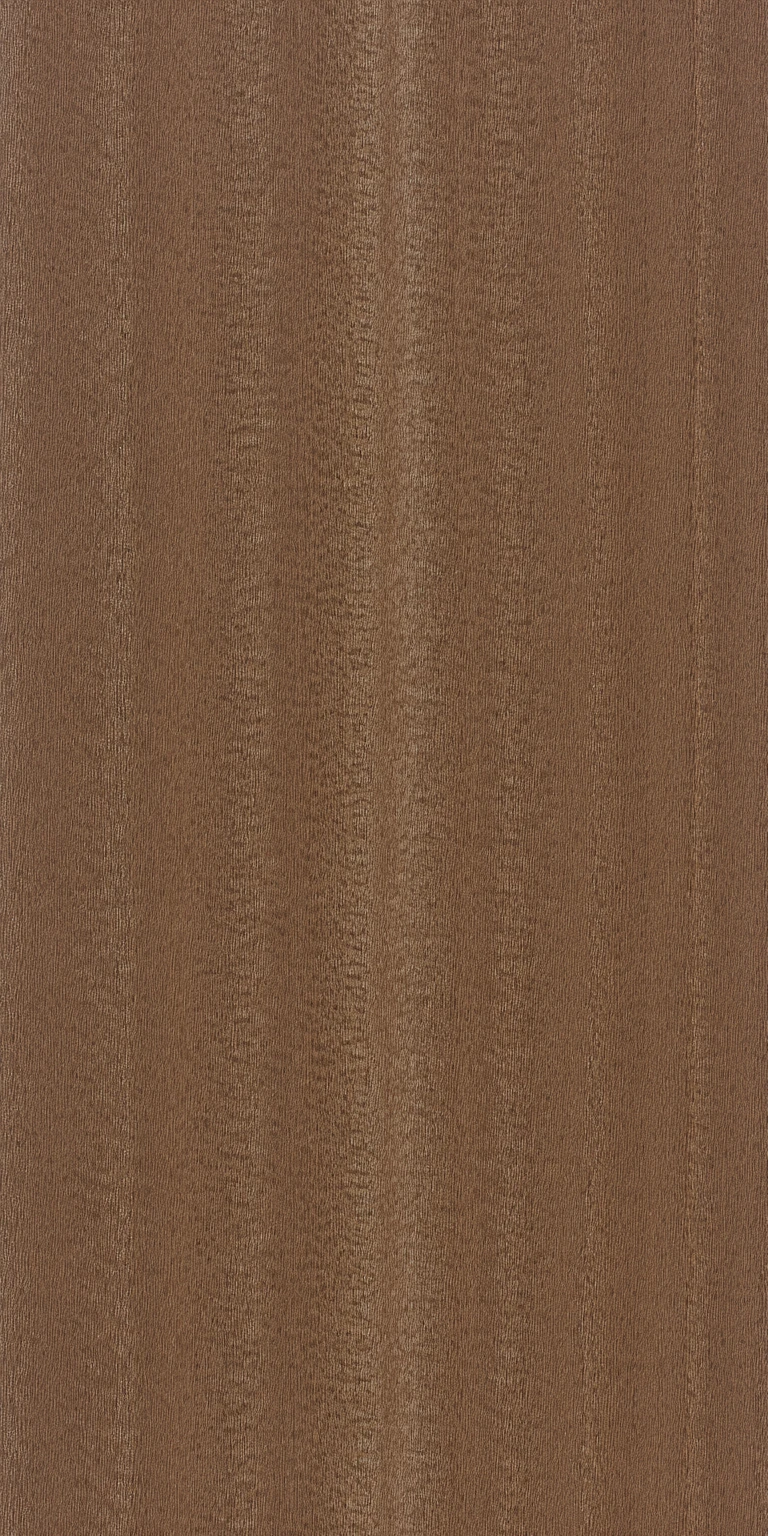
Reference grain swatch
- Janka Hardness
- 1,410 lbf (6,272 N)
- Avg. Dried Weight
- 640 kg/m³ (40 lb/ft³)
- Specific Gravity
- 0.67
- Type
- Tropical hardwood
- Grain
- Interlocked, produces distinctive ribbon stripe when quarter-sawn
- Texture
- Fine to medium
- Durability
- Moderately durable, resistant to decay
- Region
- Africa
- Sustainability
- Restricted — Vulnerable in some regions; check FSC certification for sustainable sourcing
Overview
Sapele is a popular African hardwood often used as a mahogany substitute, prized for its reddish color and distinctive ribbon stripe figure when quarter-sawn. It is widely used in furniture, flooring, and musical instruments. The wood works well though interlocked grain requires care to avoid tearout.
The heartwood ranges from golden to dark reddish-brown with a distinctive ribbon stripe figure when quarter-sawn. It has a fine to medium texture with interlocked grain. Dried weight averages 640 kg/m³ with a Janka hardness of 1,410 lbf. Moderately stable with good dimensional stability.
Workshop Notes
Blunting Effect
Moderate to high
Gluing
Good gluing properties
Finishing
Excellent - takes stain and polish beautifully
Steam Bending
Moderate - interlocked grain can make bending difficult
Scent
Mild cedar-like scent; can cause allergic reactions
Assessment
Strengths
- Beautiful figure
- Mahogany substitute
- Good stability
- Takes finish well
Weaknesses
- Interlocked grain can tear
- Can cause allergic reactions
- Variable availability
Common Uses
Furniture · Veneer · Flooring · Musical instruments · Cabinetry · Boatbuilding