WoodSwatch · The Wood Ledger
Douglas Fir
Pseudotsuga menziesii
Also known as: Douglas-fir, Oregon Pine, Columbian Pine
Technical Spec Sheet
2026-10-12
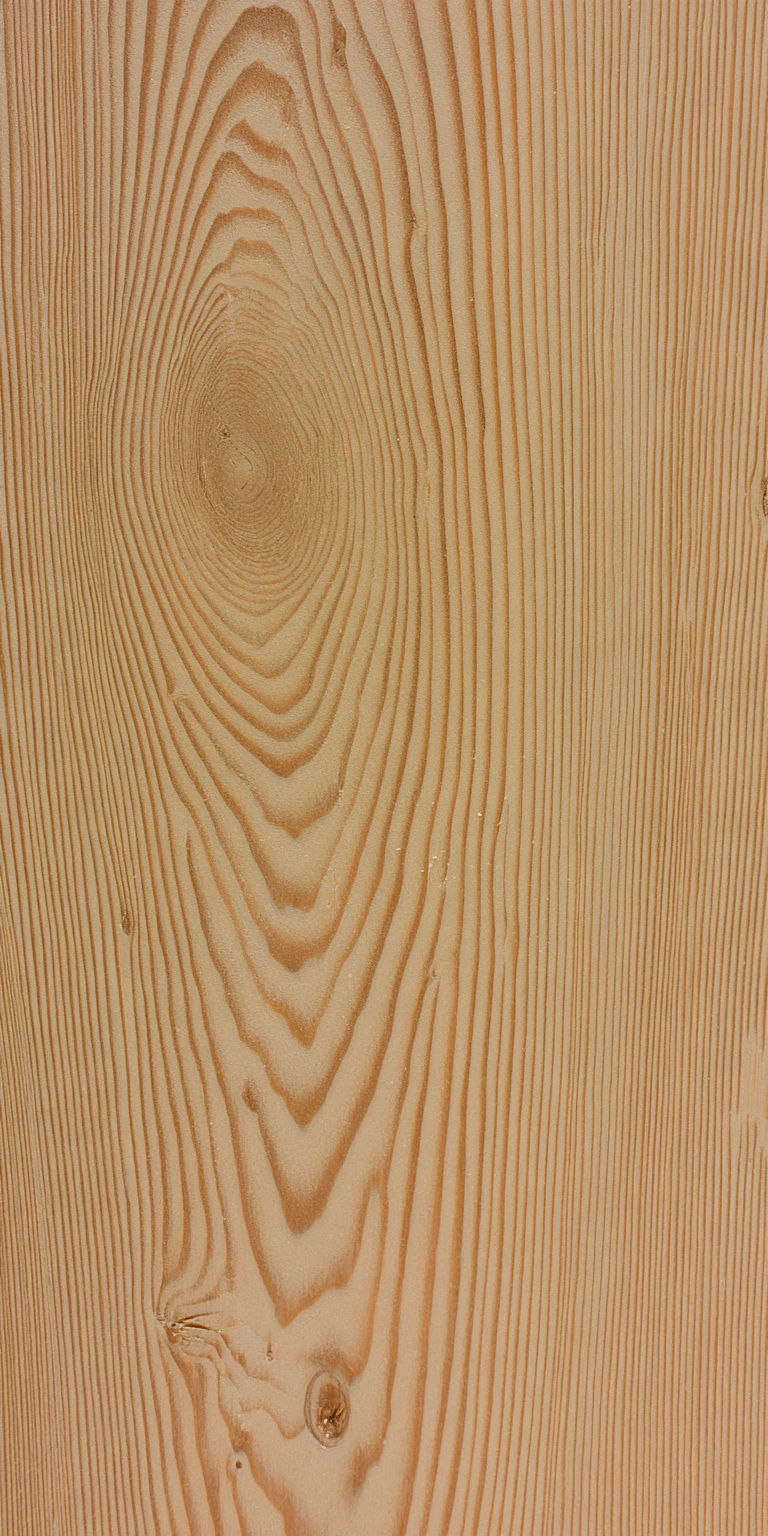
Reference grain swatch
- Janka Hardness
- 660 lbf (2,936 N)
- Avg. Dried Weight
- 510 kg/m³ (32 lb/ft³)
- Specific Gravity
- 0.48
- Type
- Softwood
- Grain
- Generally straight, sometimes wavy
- Texture
- Medium to coarse
- Durability
- Moderate durability, heartwood resistant to decay
- Region
- North America
- Sustainability
- Sustainable — Sustainable, major commercial species with well-managed forests
Overview
Douglas Fir is one of North America's most important commercial softwoods, prized for its excellent strength-to-weight ratio and versatility. It dominates the structural lumber market in the Pacific Northwest and is used for construction, plywood, and millwork. Despite its name, it is not a true fir but a distinct genus.
The heartwood ranges from orange to reddish-brown with pale yellow sapwood. It has a medium to coarse texture with generally straight grain. Dried weight averages 510 kg/m³ with a Janka hardness of 660 lbf. The wood is known for its strength, stiffness, and dimensional stability.
Workshop Notes
Blunting Effect
Moderate - resin can dull tools
Gluing
Good with proper surface preparation; resin may affect adhesion
Finishing
Takes paint and stain well; may need sealer for resinous areas
Steam Bending
Fair steam bending when green
Scent
Mild resinous scent when worked
Assessment
Strengths
- Excellent strength-to-weight ratio
- Quality structural timber
- Good availability
- Takes paint well
Weaknesses
- Resin can complicate finishing
- Can split when nailing near edges
- Variable grain
Common Uses
Construction lumber · Plywood · Millwork · Flooring · Boats · Veneer