WoodSwatch · The Wood Ledger
European Chestnut
Castanea sativa
Also known as: Sweet Chestnut, Spanish Chestnut
Technical Spec Sheet
2026-10-12
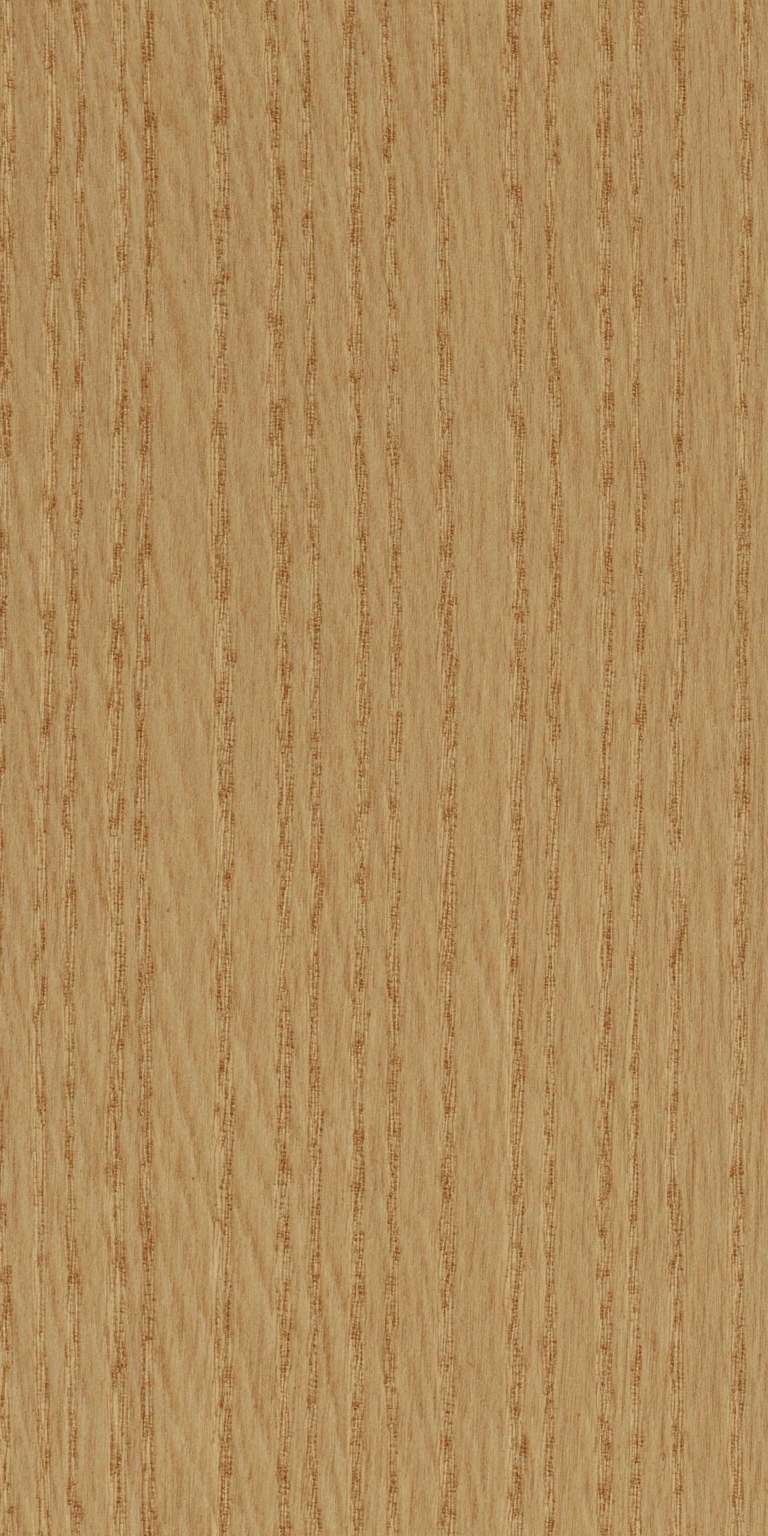
Reference grain swatch
- Janka Hardness
- 560 lbf (2,491 N)
- Avg. Dried Weight
- 560 kg/m³ (35 lb/ft³)
- Specific Gravity
- 0.56
- Type
- Hardwood
- Grain
- Straight grain, sometimes spiral
- Texture
- Coarse
- Durability
- Durable, resistant to decay and insect attack
- Region
- Europe
- Sustainability
- Sustainable — Sustainable, widely cultivated in Europe
Overview
European Chestnut is a durable hardwood native to Southern Europe and Asia Minor, valued for its resistance to decay and similarity to oak. It has been widely cultivated for both timber and edible nuts for thousands of years, playing an important role in European forestry and agriculture.
The wood has a pale yellow-brown to light brown heartwood, often indistinguishable from sapwood. It features a coarse texture with straight to spiral grain and prominent growth rings. Density averages 560 kg/m³ when dried, with a Janka hardness of 560 lbf, making it moderately hard and durable.
Workshop Notes
Blunting Effect
Moderate - tannin content can be hard on tools
Gluing
Good gluing properties with appropriate adhesives
Finishing
Takes stains and finishes well, though tannins may react with some finishes
Steam Bending
Moderate steam bending characteristics
Scent
Mild, slightly tannic odor when worked
Assessment
Strengths
- Good durability
- Resistant to decay
- Easy to work
- Holds nails and screws well
Weaknesses
- Can be brittle
- Contains tannin which can corrode metal
- Tendency to split
Common Uses
Furniture · Coffins · Fencing · Cooperage · Veneer · Timber framing