WoodSwatch · The Wood Ledger
Iroko
Milicia excelsa
Also known as: African Teak, Kambala, Mvule, Odum
Technical Spec Sheet
2026-10-12
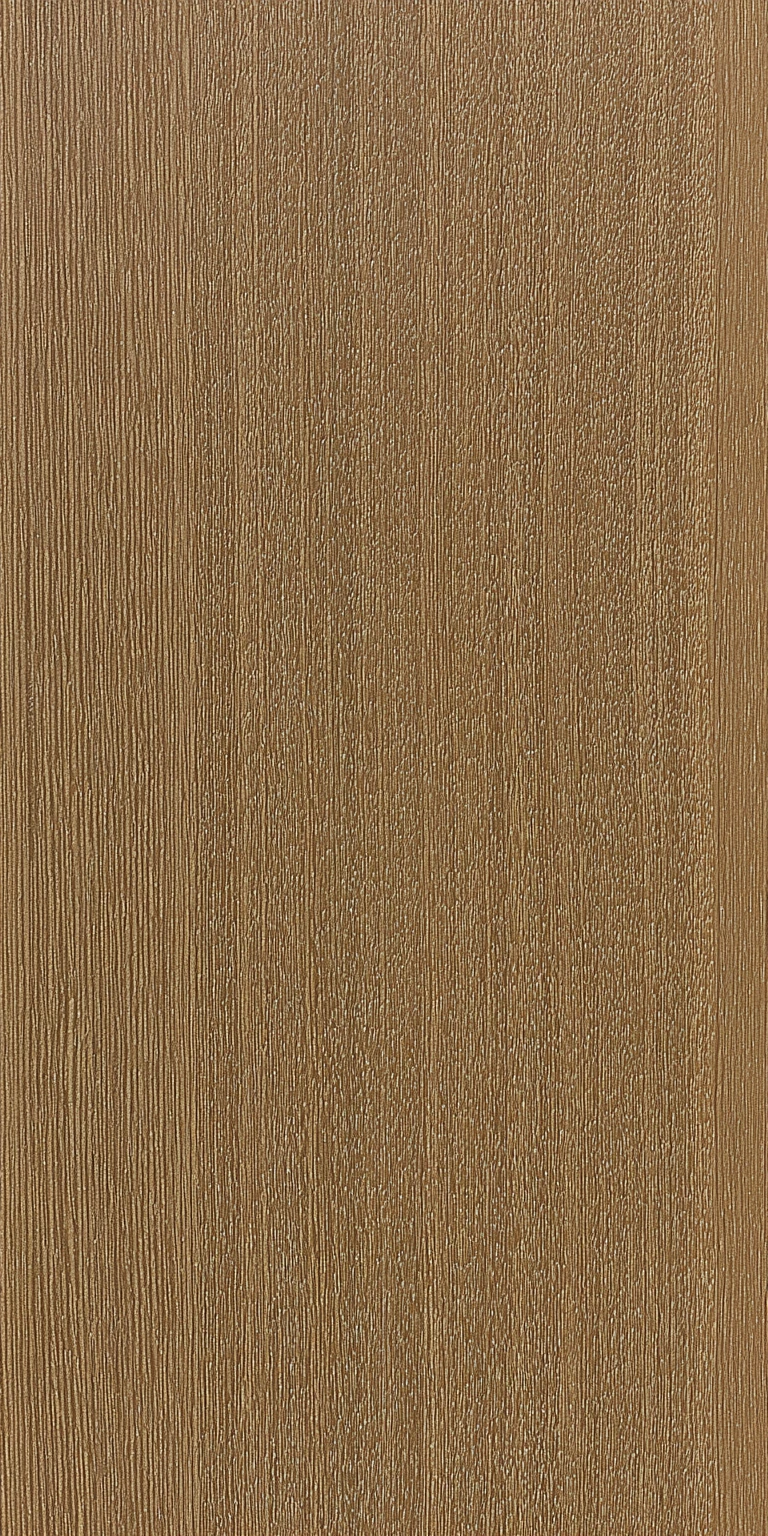
Reference grain swatch
- Janka Hardness
- 1,260 lbf (5,605 N)
- Avg. Dried Weight
- 660 kg/m³ (41 lb/ft³)
- Specific Gravity
- 0.66
- Type
- Hardwood
- Grain
- Interlocked, sometimes irregular or wavy
- Texture
- Medium to coarse
- Durability
- Very durable, excellent resistance to decay, termites, and marine borers
- Region
- Africa
- Sustainability
- Caution — Generally sustainable, though CITES monitoring recommended for some regions
Overview
Iroko is a highly valued African hardwood, often called African Teak due to its similar properties and appearance. Prized for exceptional durability and weather resistance, it serves as an excellent alternative to genuine teak for exterior applications at a more accessible price point.
The heartwood matures from pale yellow to golden or medium brown, sometimes with darker streaks. Density averages 660 kg/m³ when dried, with a Janka hardness of 1,260 lbf. The interlocked grain produces attractive ribbon striping on quartersawn surfaces. Very stable in service.
Workshop Notes
Blunting Effect
Moderate - contains mineral deposits that can dull cutting edges
Gluing
Good gluing properties, though oily surface may require preparation
Finishing
Takes finishes well, though natural oils may slow drying time
Steam Bending
Moderate steam bending characteristics due to interlocked grain
Scent
Distinct, somewhat unpleasant odor when worked, can cause irritation
Assessment
Strengths
- Excellent natural durability
- Good dimensional stability
- Resistant to decay and insects
- Weather resistant
- Cost-effective teak alternative
Weaknesses
- Interlocked grain can cause planing difficulties
- Contains irritant compounds
- Can cause allergic reactions
- Color inconsistency between boards
Common Uses
Outdoor furniture · Boat building · Flooring · Exterior joinery · Garden furniture · Veneer · Countertops