WoodSwatch · The Wood Ledger
American Chestnut
Castanea dentata
Also known as: Wormy Chestnut, Eastern Chestnut
Technical Spec Sheet
2026-10-12
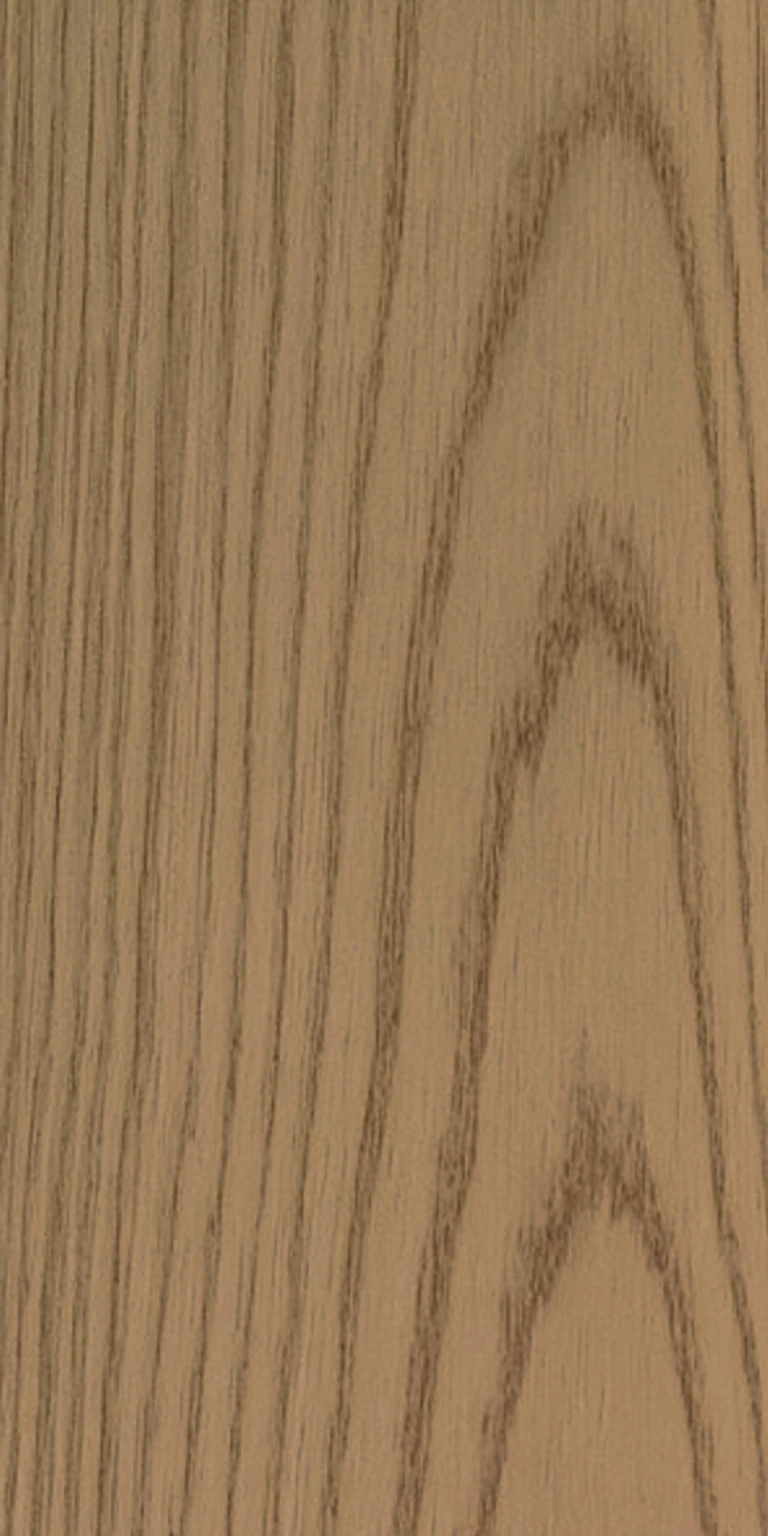
Reference grain swatch
- Janka Hardness
- 540 lbf (2,402 N)
- Avg. Dried Weight
- 480 kg/m³ (30 lb/ft³)
- Specific Gravity
- 0.43
- Type
- Hardwood
- Grain
- Straight, with prominent growth rings
- Texture
- Coarse
- Durability
- Very durable, highly resistant to decay
- Region
- North America
- Sustainability
- Endangered — Functionally extinct due to chestnut blight, available only as reclaimed lumber
Overview
American Chestnut was once one of the most important hardwoods in eastern North America before being devastated by chestnut blight in the early 1900s. Today available only as reclaimed lumber from old buildings and structures, it is prized for its durability, distinctive wormy character, and historical significance. The wood combines light weight with exceptional rot resistance.
American Chestnut is relatively lightweight at 480 kg/m³ dried weight with Janka hardness of only 540 lbf, yet exhibits excellent strength-to-weight ratio. Heartwood is light to medium brown, similar to oak. Straight grain with prominent growth rings and coarse texture. Specific gravity is 0.43. Reclaimed wood often shows characteristic worm holes.
Workshop Notes
Blunting Effect
Low - easy on cutting tools despite moderate hardness
Gluing
Glues well with most adhesives
Finishing
Takes finishes excellently, particularly oil finishes that enhance grain
Steam Bending
Good steam bending properties
Scent
Mild, pleasant aroma with slight tannic smell when worked
Assessment
Strengths
- Exceptional durability
- Lightweight but strong
- Distinctive wormy character in reclaimed wood
- Excellent rot resistance
Weaknesses
- No longer commercially available as new lumber
- Reclaimed wood often contains worm holes
- Limited supply
- Very expensive
Common Uses
Reclaimed lumber for furniture · Flooring · Paneling · Historical restoration · Specialty items · Musical instruments