WoodSwatch · The Wood Ledger
Yellow Poplar
Liriodendron tulipifera
Also known as: Tulip Poplar, Tulipwood, American Tulipwood, Whitewood
Technical Spec Sheet
2026-10-12
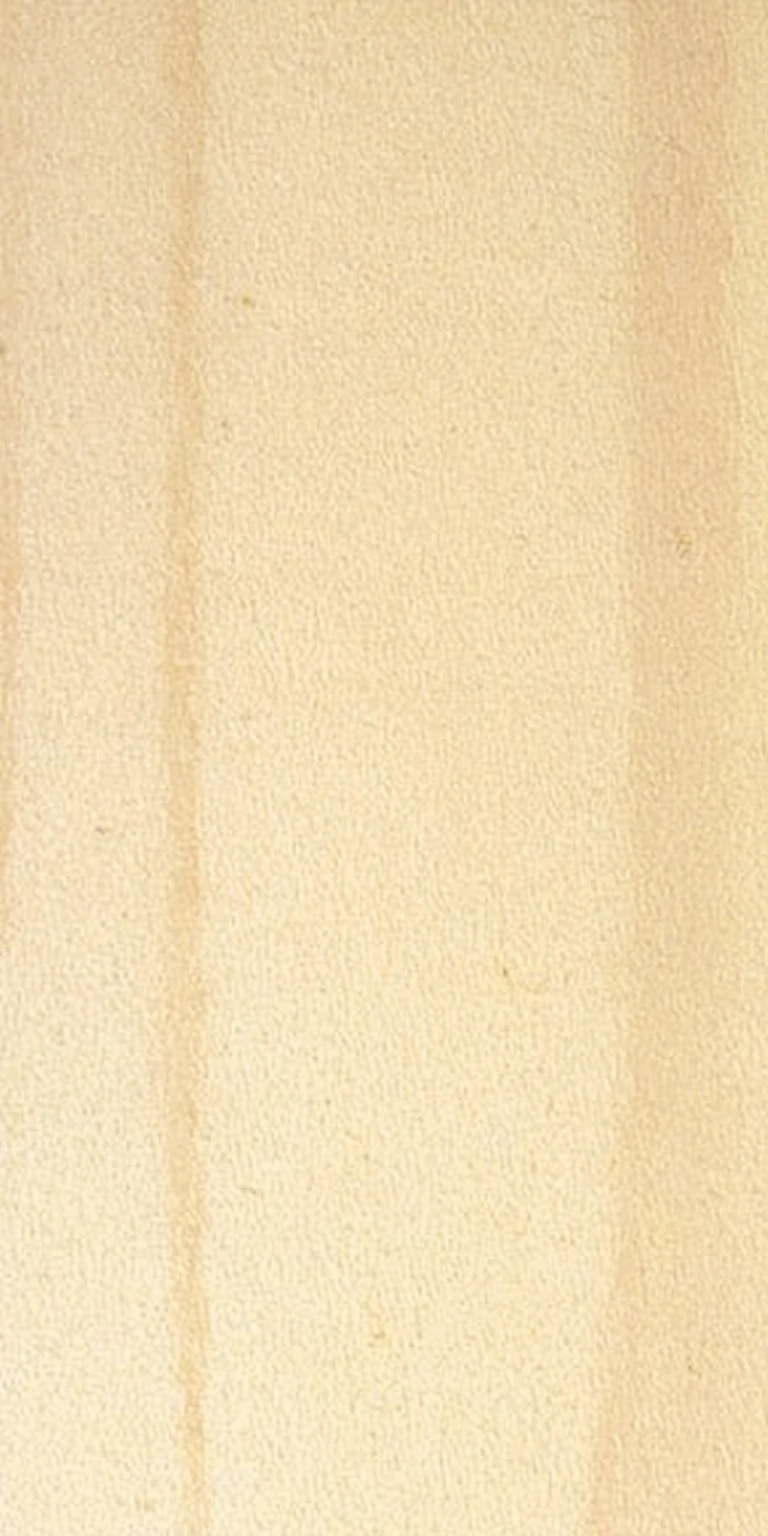
Reference grain swatch
- Janka Hardness
- 540 lbf (2,402 N)
- Avg. Dried Weight
- 510 kg/m³ (32 lb/ft³)
- Specific Gravity
- 0.42
- Type
- Hardwood
- Grain
- Straight, occasionally wavy; diffuse-porous with inconspicuous pores
- Texture
- Fine to medium, uniform
- Durability
- Low natural durability; not suitable for exterior use without treatment
- Region
- North America
- Sustainability
- Sustainable — Abundant and fast-growing; FSC-certified supply widely available
Overview
Yellow Poplar is one of the most commercially important hardwoods in North America, prized not for hardness but for workability, stability, and outstanding paintability. Its distinctive multi-coloured heartwood — cream with streaks of purple, blue, and green — makes it visually unique, though it is most often used under paint in furniture and millwork.
Diffuse-porous with fine, uniform texture and low density of approximately 510 kg/m³. Janka hardness of 540 lbf places it among softer commercial hardwoods. Dimensionally stable in service; minimal movement coefficients. Shrinkage radial 4.6%, tangential 8.2%.
Workshop Notes
Blunting Effect
Very low — extremely kind to cutting edges
Gluing
Excellent — bonds readily with all common adhesives
Finishing
Superb paint base; under clear finish the variable heartwood colour may be considered decorative or distracting depending on application
Steam Bending
Moderate steam bending properties
Scent
Mild, slightly sweet scent when freshly cut
Assessment
Strengths
- Excellent paintability
- Easy machining and carving
- Stable and affordable
- Good for large panels
Weaknesses
- Low hardness — dents easily
- Poor natural durability outdoors
- Colourful heartwood streaks may be undesirable under clear finish
Common Uses
Painted furniture and cabinetry · Interior millwork · Drawer boxes · Carving · Musical instrument bodies